Cracks in floors and tile
Cracks running across tile, grout lines splitting, and vinyl or laminate separating often trace a crack in the slab underneath.
Slab Repair · Interior & Exterior Piers · Stabilization
Most of South Tulsa, Broken Arrow, and Bixby sits on slab-on-grade foundations, and those suburbs sit on some of the highest-smectite soil in Green Country. When the clay under a slab shrinks, the slab drops with it. We stabilize and lift slabs with piers seated below the moving clay, and we put the whole plan in writing first.
Free inspections with elevation readings across the floor, so you see exactly where the slab has moved and how much.
15–30 ft
Pier depth, driven past Tulsa's active clay zone to stable material
Lifetime
Transferable warranty on every pier job, in writing
Free
Inspections with elevation readings and a written plan
No commissions
Our inspectors are not paid on commission, so the plan fits your house, not a quota
Warning signs
Cracks running across tile, grout lines splitting, and vinyl or laminate separating often trace a crack in the slab underneath.
Interior doors that rubbed fine last year and drag now are one of the earliest, most reliable signs of slab settlement.
Drywall cracks radiating from door and window corners, and baseboards pulling away from the floor, show the frame racking as the slab drops.
A noticeable slope into one corner or one side of the house usually means that section of slab has settled more than the rest.
Why slabs move here
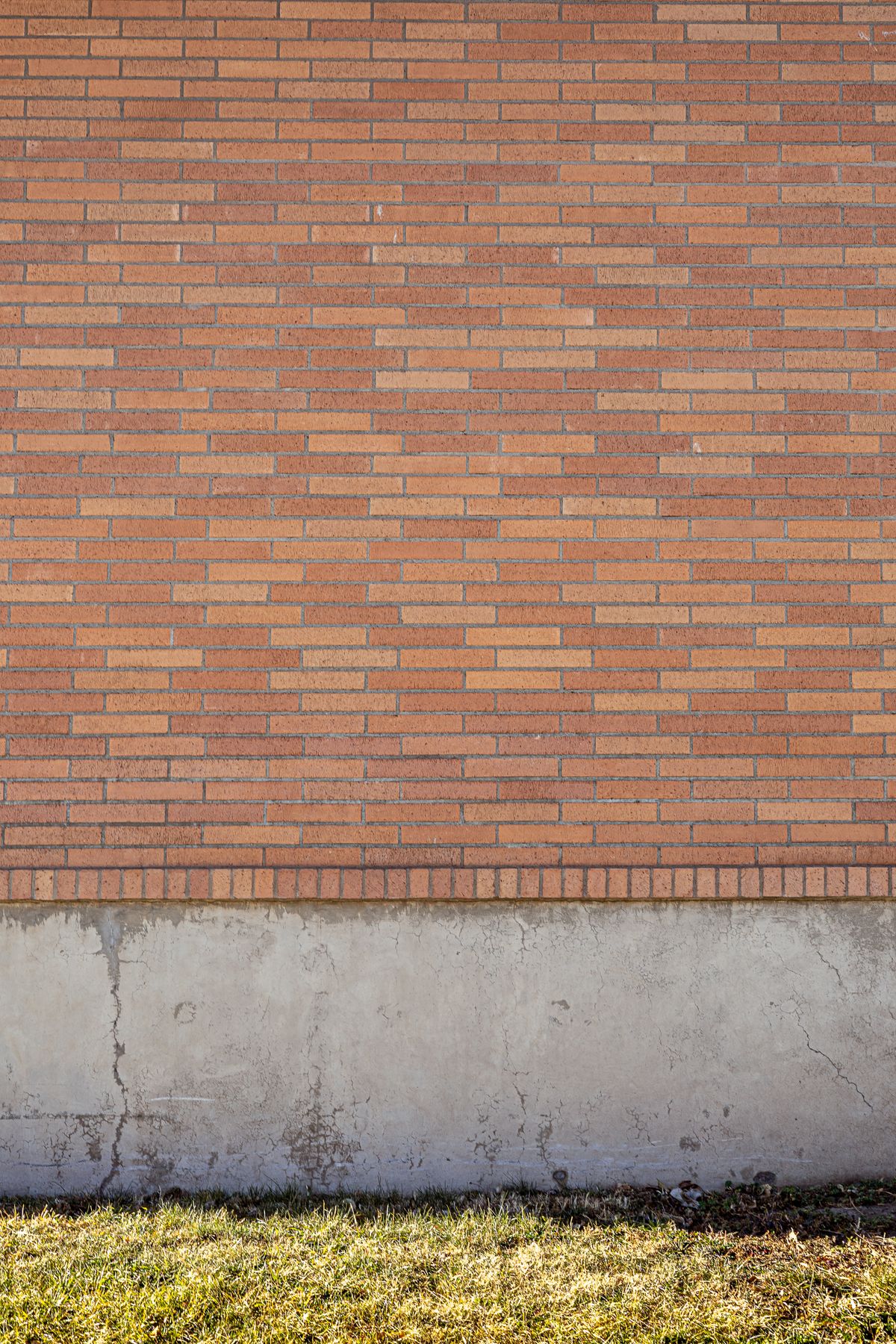
A slab's thickened edge, the grade beam, reaches only 18 to 30 inches down. The clay beneath it is active 8 to 15 feet deep, swelling with spring rain and shrinking hard in summer heat, worst after drought years like 2011. When it shrinks, it pulls away from the slab and leaves it spanning a void it was never designed to span.
Two local accelerators make it worse: mature oaks, which can pull enormous moisture from one side of a lot and settle that side first, and slow plumbing leaks under the slab, which wash out support and soften soil. Our inspection checks drainage, trees, and elevation patterns to find which one is driving your movement before we recommend anything.
How we fix it
Steel or helical piers installed from outside along the settled walls, driven 15–30 ft to stable material, then used to lift and support the grade beam. Most slab repairs start here.
When the center of the slab drops, piers go through the floor inside at $2,200–$3,500 per pier. We use them only where elevation readings prove the interior needs them, and the floor is restored after.
Where soil has shrunk away from the slab but settlement is minor, filling the void restores support and stops the slab from flexing and cracking further.
Piers fix the slab; drainage keeps the clay honest. Grading, downspout routing, and French drains even out moisture around the house.
Straight numbers
The average Tulsa slab project runs $5,000–$8,000. A standard 6–10 exterior pier job runs $5,500–$12,000, at $1,400–$2,200 per push pier or $1,600–$2,800 per helical.
A single settling corner at 2–4 piers runs $3,500–$9,000. Catching movement at this stage is the cheapest slab repair there is.
Most residential slab jobs finish in 2–4 days. You stay in the house while we work, and the piers carry a lifetime transferable warranty.
No phone estimates and no guessing. We measure, map the elevations, and quote the exact job in writing. Our inspectors are not paid on commission.
Common questions
No. Hairline cracks from concrete curing are normal. Cracks that widen, offset vertically, run wall to wall, or show up with sticking doors and sloping floors are the ones that point to settlement. An inspection with elevation readings separates the two.
Usually, yes. Unrepaired settlement scares buyers and invites low offers, while a completed repair with a transferable lifetime warranty becomes a selling point. Agents across Tulsa ask for the warranty paperwork by name.
Almost never for soil settlement, which policies exclude. If a sudden under-slab plumbing leak caused the damage, that can be a different story, and it is worth a call to your insurer.
Often we can recover much of the drop, but the honest goal is stabilization first and lift second. Over-lifting risks cracking plumbing and finishes, so we tell you up front what recovery is realistic.
Tell us what you are seeing and we will schedule a time to come look. The inspection and the written quote are free.
Thanks, we got it. We will call you back shortly to schedule your inspection.