Stair-step cracks in brick
Broken Arrow's brick-veneer slab homes telegraph movement early: stair-step cracks in the mortar, cracks at window corners, and brick separating at the garage.
Piering · Slab Repair · Crawl Space · Drainage
Broken Arrow is Tulsa's largest suburb, and most of its homes are slab-on-grade houses sitting on some of the highest-smectite clay in Green Country. Sooner Foundation Repair inspects Broken Arrow foundations free, explains what is actually moving, and fixes it with piers driven past the clay, backed by a lifetime transferable warranty.
Free inspections in Broken Arrow and across the Tulsa metro. No pressure, no scare tactics, just a straight assessment.
15–30 ft
Pier depth, driven past the active clay zone to stable material
Lifetime
Transferable warranty on every pier job, in writing
Free
Inspections with elevation readings and a written plan
No commissions
Our inspectors are not paid on commission, so the plan fits your house, not a quota
The Broken Arrow problem
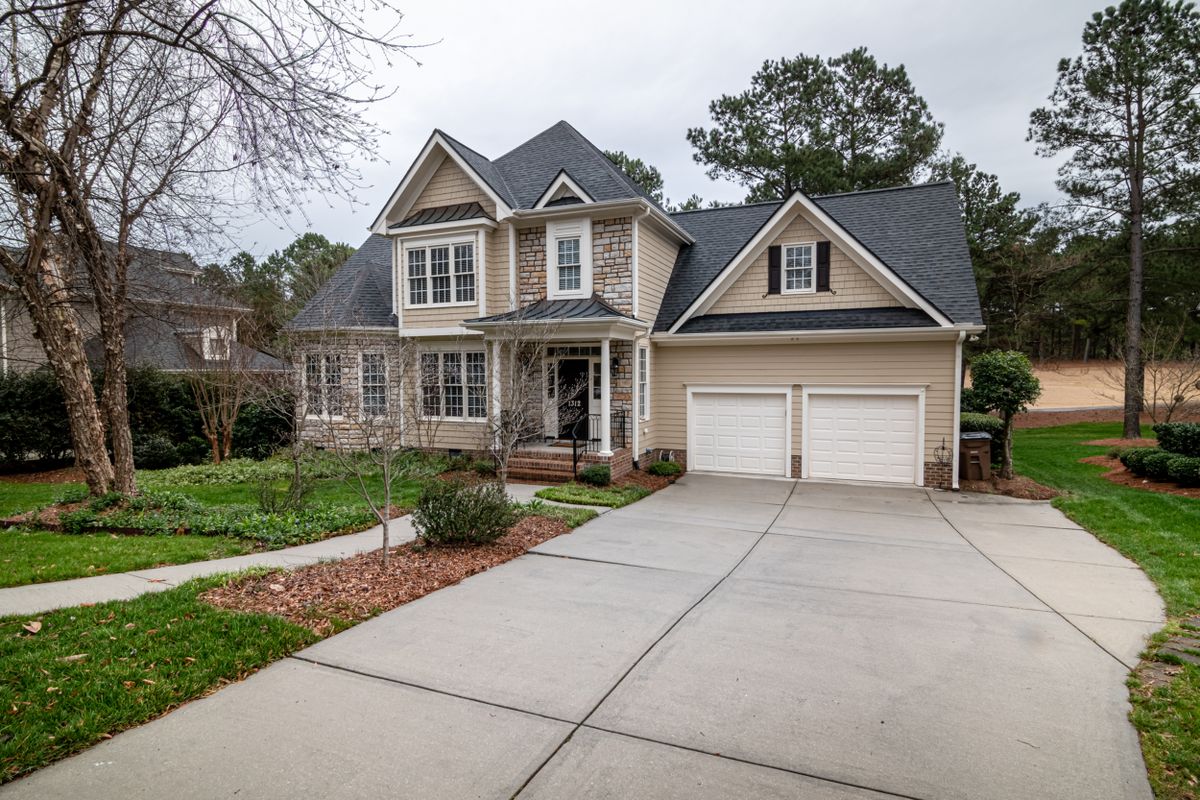
Broken Arrow grew fast on the southeast side of Tulsa, and the subdivisions that came with that growth are overwhelmingly slab-on-grade. Those slabs rest on grade beams only 18 to 30 inches deep, which means the whole foundation sits inside the clay's active zone, the top 8 to 15 feet of soil that swells 10–30% in volume during April and May rains and shrinks back in July and August heat. Spring lifts one side of a slab; late summer drops it. August is the month the cracks show.
Older Broken Arrow neighborhoods add a second driver: mature oaks. A big oak pulls moisture out of the soil on its side of the house, so that side settles while the rest holds, the classic one-sided settlement pattern. Damage also lags the weather. The settlement you notice today often traces back to a drought one or two years ago, like the 2011 drought's 60-plus days over 100 degrees, because clay gives up its moisture slowly.
The fix is to take the house out of the moving layer entirely. Our steel push piers and helical piers are driven 15 to 30 feet down, past the active zone, to stable material, and every pier job carries a lifetime transferable warranty. Where tree roots are part of the problem, root barriers ($2,500–$6,000 per side) can be added to keep the moisture balance even after the lift.
Warning signs
Broken Arrow's brick-veneer slab homes telegraph movement early: stair-step cracks in the mortar, cracks at window corners, and brick separating at the garage.
When one side of a slab drops, frames go out of square. Interior doors drag or swing on their own, and front doors stop catching the latch.
Cracks telegraphing through tile, laminate that starts to feel uneven, and drywall cracks running from door corners all point to a slab that is moving underneath.
Flat suburban lots often drain toward the house. Standing water against the slab after rain feeds the swell cycle and makes movement worse.
What we do
Warning signs, our inspection process, and every service we offer across Green Country.
Steel push piers and helical piers driven 15–30 ft past the active clay zone, with a lifetime transferable warranty.
Interior and exterior fixes for cracked, sinking slab-on-grade homes, the most common foundation in Broken Arrow.
Support, moisture control, and full encapsulation for the pier-and-beam homes in Broken Arrow's older neighborhoods.
Polyjacking and mudjacking for sunken driveways, sidewalks, and patios.
Per-pier pricing and typical Tulsa-area job ranges, published in the open.
Straight numbers
Steel push piers run $1,400–$2,200 per pier installed; helical piers $1,600–$2,800. Most homes need 6–14 piers, and your free inspection will say exactly how many and why.
A settling corner (2–4 piers) runs $3,500–$9,000. A standard 6–10 pier job runs $5,500–$12,000. Full-perimeter work on a large home can reach $22,000–$55,000.
Every inspection includes elevation readings and a written plan at no charge. If you want an independent structural engineer's report first ($400–$1,200 locally), we work from those too.
Most residential pier jobs finish in 2–4 days, and the lifetime warranty transfers to the next owner when you sell, paperwork Broken Arrow buyers and agents ask for by name.
Common questions
Yes. Free inspections are the market standard in the Tulsa area, and ours include elevation readings across your floors and a written plan with a written price. No phone estimates, no obligation.
That is the classic pattern here. Spring rain swells the clay and lifts the slab; July and August heat dries it and the slab drops. Cracks that appear or widen in August usually mean the dry side of the cycle has pulled support away.
Usually, yes. A pier job with a lifetime transferable warranty gives the next buyer documented protection, and unrepaired movement tends to cost more in negotiations than the repair itself.
Service area
Tell us what you are seeing and we will schedule a time to come look. The inspection and the written quote are free.
Thanks, we got it. We will call you back shortly to schedule your inspection.