Driveways
Panels that drop at the garage apron or tilt toward the house, creating trip lips and drainage that runs the wrong way.
Polyjacking · Mudjacking · Driveways & Sidewalks
Sunken driveways, tilted sidewalks, and settled patios are Tulsa clay doing to flatwork what it does to foundations. In most cases the slab itself is fine; the soil under it shrank or washed out. Leveling fills that void and lifts the concrete back for a fraction of tear-out and replacement.
Free estimates across the Tulsa metro. If your concrete is too far gone to level honestly, we will tell you that instead.
15–30 ft
Pier depth, driven past Tulsa's active clay zone to stable material
Lifetime
Transferable warranty on every pier job, in writing
Free
Inspections with elevation readings and a written plan
No commissions
Our inspectors are not paid on commission, so the plan fits your house, not a quota
What we lift
Panels that drop at the garage apron or tilt toward the house, creating trip lips and drainage that runs the wrong way.
Uneven sidewalk sections are a trip hazard and, in many neighborhoods, a liability. Leveling restores an even surface without replacing the run.
Back patios that settle toward the foundation send rainwater at your house. Lifting them restores the slope away from the walls.
Interior slabs that crack and dip as fill soil consolidates or clay shrinks beneath them, lifted and supported from below.
Two methods
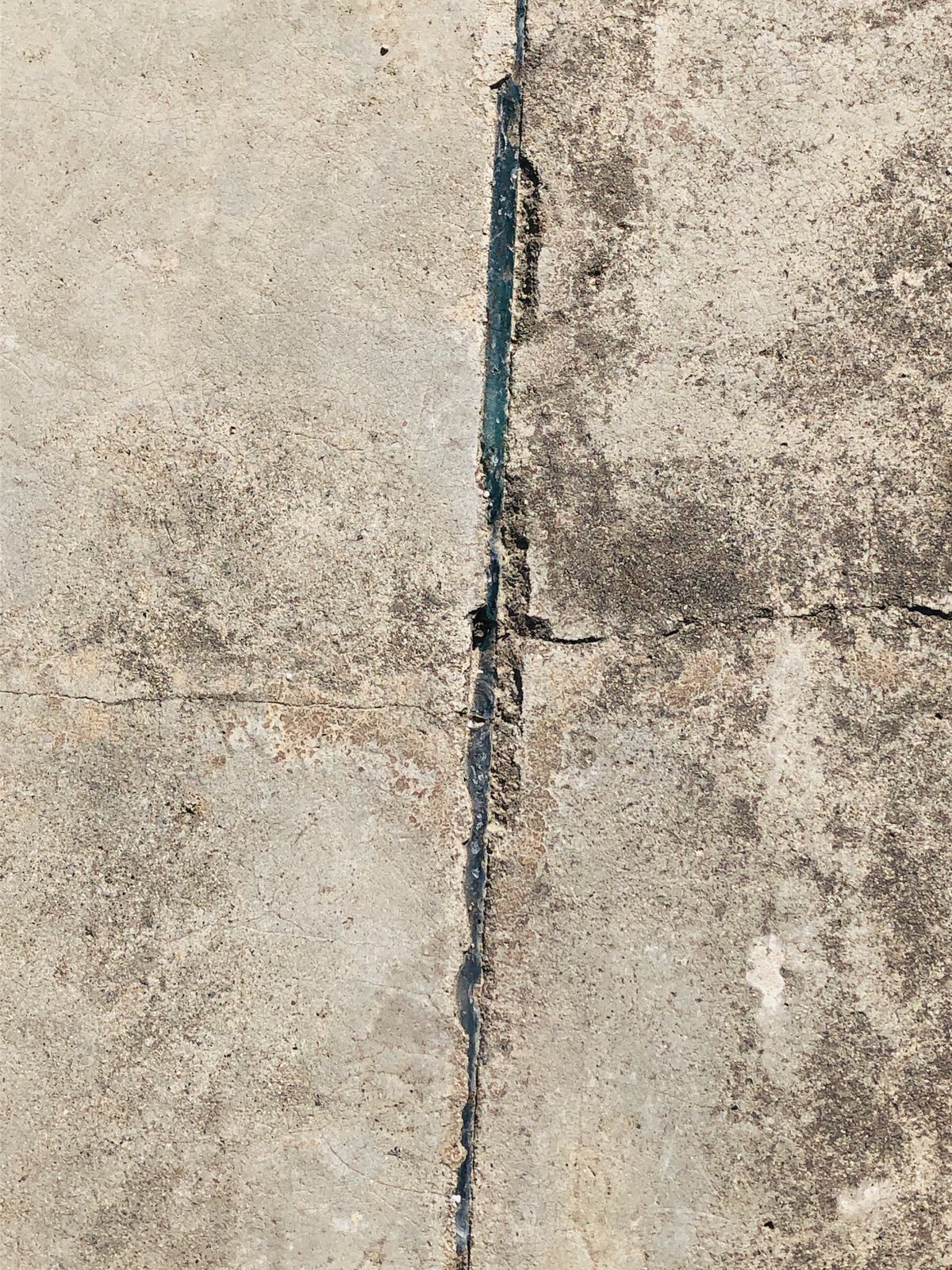
Mudjacking pumps a sand, soil, and cement slurry through larger holes to lift the slab. It is the cheaper method per square foot, but the material is heavy, adds load to already weak clay, and on Tulsa soil it commonly re-settles within 3 to 5 years as the clay keeps cycling.
Polyjacking injects high-density polyurethane foam through small holes. The foam expands, fills the void, and lifts the slab with precise control, then cures in minutes into a lightweight, water-resistant support that does not wash out. On expansive clay it holds up far longer, typically 8 years and well beyond. For most Tulsa driveways and sidewalks, poly is the method we recommend, and we will show you the price difference in writing so you can decide.
Straight numbers
Mudjacking runs $3–$8 per square foot; polyjacking runs $5–$15 per square foot. Most jobs carry a minimum of $600–$850.
Lifting a settled driveway typically runs $800–$3,500. Tearing out and replacing the same driveway runs $8,000–$15,000, plus days of curing before you can park on it.
Polyjacking foam cures in minutes, so most lifted surfaces are back in use the same day. Mudjacking needs a day or more before vehicles should cross it.
We measure the settlement, check for voids, and quote the exact job in writing. No per-hole surprises and no pressure to decide on the spot.
Common questions
Almost always the soil, not the slab. Tulsa clay shrinks away from flatwork in dry months, and water running under a slab washes fines out and leaves voids. Once support is gone, the panel drops or tilts.
On Tulsa clay, mudjacking commonly re-settles in 3–5 years because the heavy slurry loads weak soil. Polyjacking's lightweight, waterproof foam typically holds 8 years and longer. Fixing the drainage that caused the washout extends either one.
No. Leveling is for flatwork: driveways, sidewalks, patios, garage floors. If the house itself is settling, that is a piering job. We do both, and the free inspection will tell you honestly which one you are looking at.
Leveling works when the concrete is structurally sound but sunken. Slabs broken into many pieces or crumbling at the surface are replacement candidates, and we will say so rather than sell you a lift that cannot hold.
Tell us what you are seeing and we will schedule a time to come look. The inspection and the written quote are free.
Thanks, we got it. We will call you back shortly to schedule your inspection.